
The history of Belgrade, Maine, offers a rich narrative spanning its early settlement, evolution into a thriving agrarian society, and subsequent industrial endeavors.
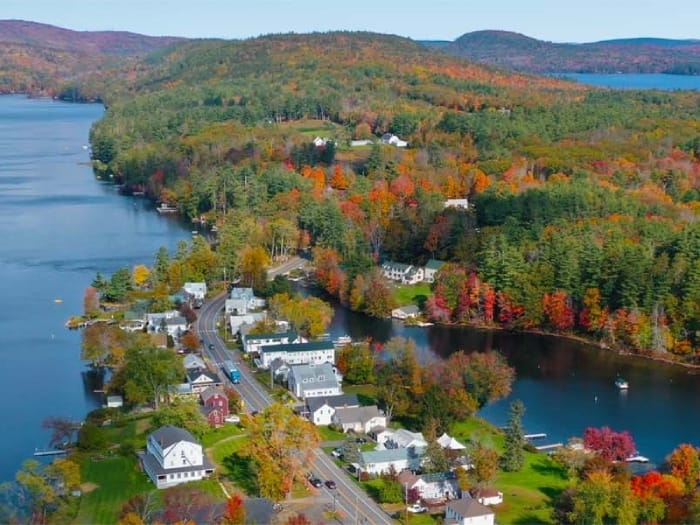
Belgrade grew from a scattered frontier settlement into a town shaped by three closely connected but distinct centers of life: North Belgrade, Belgrade Depot, and Belgrade Lakes Village. The earliest farms took root in North Belgrade around Belgrade Hill, where families like the Wymans, Snow, Richardson, and Yeatons cleared land, built stone walls, and created a tight-knit agrarian community that remained the town’s farming heart well into the 19th century. With the arrival of the Maine Central Railroad in 1849, Belgrade Depot became the town’s commercial and civic hub—home to mills, stores, the Grange, and later the meeting place for town government—linking local farmers to wider markets and bringing new energy to daily life. Meanwhile, Belgrade Lakes Village evolved into the town’s waterfront gateway, first as a mill center known as Belgrade Mills and later, after 1900, as the celebrated summer resort of “Belgrade Lakes,” drawing hotels, camps, cottages, and generations of visitors who made the lakes famous through fishing, boating, and the enduring lore of places like Snug Harbor and the mail boat.
Early Settlers
Before 1800, few explored the area we now know as Belgrade, a land inhabited by Native Americans of the Abenaki tribe. The region, initially part of the western edge of the Kennebec Purchase, was known as Washington Plantation. The Kennebec Proprietors’ lots were being sold, and some men had money to buy land. Others were veterans of the American Revolution claiming their recompense. Some did not have the cash but came anyway. They “settled up” later when the Proprietors in Boston offered a low price to “quiet” the squatters, who had no deeds.
The known history of Belgrade began in 1774 when Philip Snow ventured beyond the familiar lands in Sidney. He built a log cabin about two miles north of what is now Belgrade Depot and used it as a base for hunting expeditions. In time, Snow sold the cabin to Joseph Greely and later settled on the west side of the lake with his wife and nine children. Snow Pond (now Messalonskee Lake) and Mt. Philip were named in his honor.
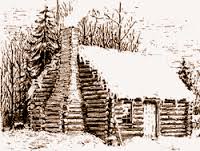
Later that year, two other settlers crossed to the west side of the lake to take up permanent residence. The first was Simeon Wyman, who with his wife, Thankful, and six children settled on the southern slope of Belgrade Hill. He cleared the first farm in the new area. Later, the Wyman’s son, also named Simeon, was the first white child to be born on the west side of the lake.
The second new arrival was twenty-four-year-old Joel Richardson. He was not married, and he settled on the north slope of Belgrade Hill. Two years later, he married a Wyman daughter named Sarah.
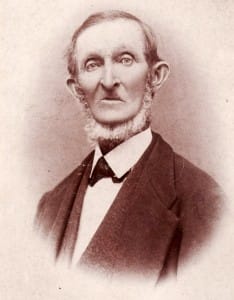
Another early arrival was Paul Yeaton, coming to Belgrade in 1794. He was a Revolutionary War veteran who built his family homestead on the West Road. He introduced a surname that came to be represented by many residents through the 20th century.
That same year, Simeon Wyman and his family cleared the first farm on Belgrade Hill, becoming the area’s first permanent settlers. Joel Richardson and Paul Yeaton, along with numerous other settlers bearing names like Bean, Crosby, and Staples, followed shortly thereafter.
Other early settlers’ names included Bean, Blake, Crosby, Crowell, Fall, Gilman, Hall, Hemmingway, Leighton, Linnell, McGrath, Mosher, Page, Philbrick, Rankins, Richmond, Staples, Taylor, Tilton, Tozier, and Weston. While some of the family names of these early settlers still exist in Belgrade, many no longer exist locally.
Becoming a Town
Belgrade was incorporated in Lincoln County in 1796 as a town of about 250 inhabitants, which was considered a large town in those days. The area, first called Washington Plantation, lay at the western edge of the Kennebec Purchase.
Later that year, a small part of Sidney, the land lying between Belgrade Hill and Oakland on the west side of Messalonskee Lake, was annexed to Belgrade by consent of the General Court.
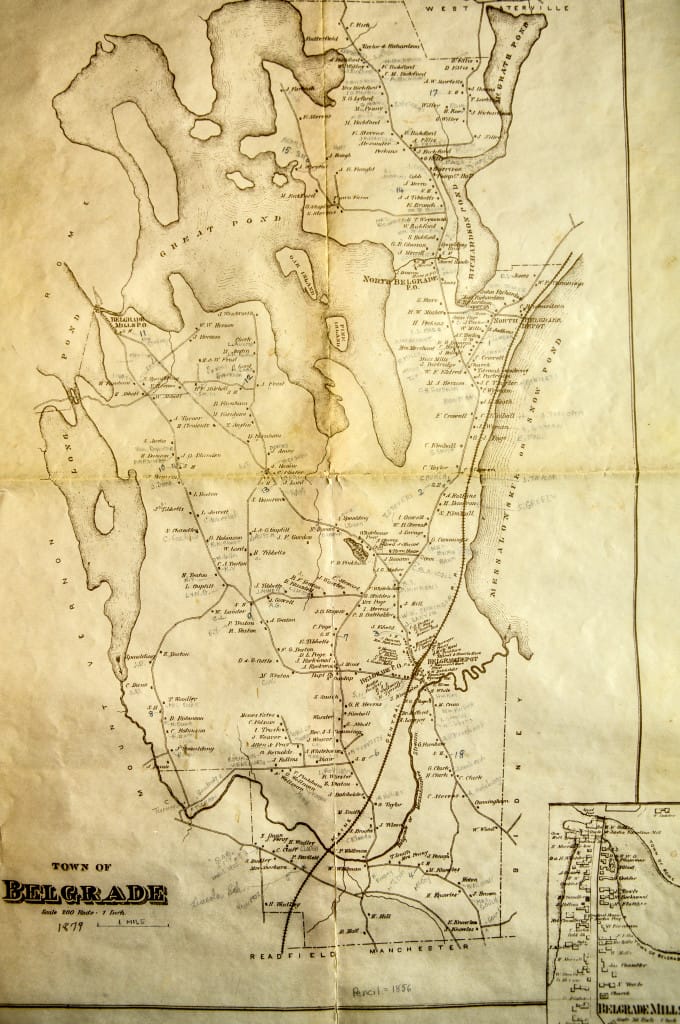
A second acquisition of territory to Belgrade came later. The residents of the Town of Dearborn, incorporated in 1812 when it was known as West Pond Plantation, petitioned the Maine Legislature to be divided and annexed to neighboring towns. An act was passed in 1839 dividing Dearborn among the towns of Belgrade, Waterville and Smithfield. The land added to Belgrade lay north of the North Belgrade Stream up to the present Smithfield border. It constituted about one fifth of the area of Belgrade, adding about three hundred people to Belgrade’s population and making the size of Belgrade what it is today.
About two years later, the residents of a large part of Rome also petitioned the Maine Legislature to become part of Belgrade. This petition, however, was turned down.
Town Government
Belgrade’s first town meetings were held in private dwellings or taverns since Belgrade did not have a town hall. Finally, in 1814, two hundred dollars was set aside to construct a building for town meetings. Beginning in 1815, town meetings were held at the Old Town Meeting House on Cemetery Road. When a Native American ill with smallpox in 1871, was quarantined in the building, and a frightened community shunned it for future gatherings. In 1872, town meetings were moved to the Masonic Hall at Belgrade Depot, which later became the Grange Hall. In 1962, meetings were again moved to the Central School gymnasium. Beginning in 2001, town meetings were moved to the newly built Belgrade Community Center for All Seasons, just south of Belgrade Lakes Village. The Old Town Meeting House was renovated in 2023 and is under the stewardship of the Belgrade Historical Society.
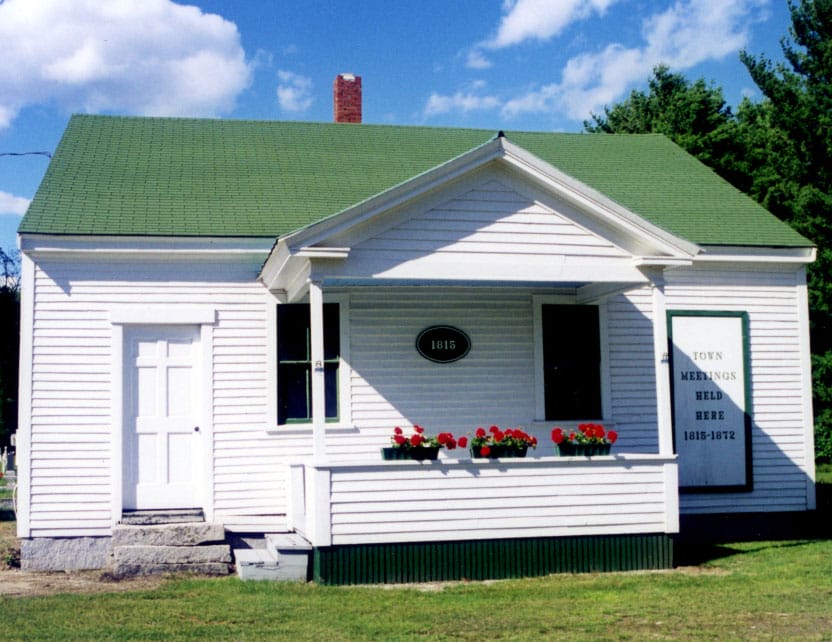
Belgrade’s 1815 Old Town Meeting House
In the early years, Belgrade did not have a town office, but had for its “office” a trunk containing town records that was kept by each First Selectman, in whose home meetings were held. Later, one room in the first Central School became the town office, but in the tragic fire that destroyed the school in 1943, all the town records were lost. A room in the new Central school was used until 1960, when the town office moved to the back room of the Belgrade Lakes firehouse. In 1969 the town office was moved to a former restaurant at the intersection of Route 135 and Route 27. In later years a new Town Office was built. The office now sits off Route 27 just above the Post Office.
Belgrade Farms
Almost all early Belgrade residents were farmers. Before the coming of the Maine Central Railroad in 1849, each family or cluster of farms was self-sufficient, clearing their land and raising their own crops and livestock. Sheep became especially important Sheep’s wool increasingly yielded to the Jersey cow’s milk as a cash crop.
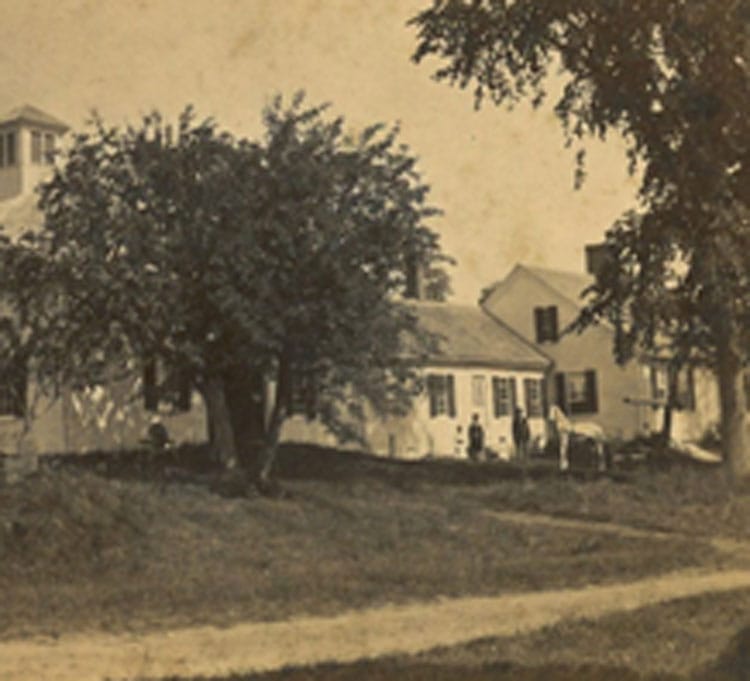
The Rockwood Farm across from the Old South Church
Agrarian Roots
Belgrade’s economy throughout the 19th century was primarily agricultural. Almost all early families cleared their land and raised crops and livestock to sustain themselves. Sheep’s wool was especially vital locally in the first half of the 19th century, first for home use and then for the woolen mills. Later dairy farming, particularly with Jersey cows, became a more prominent cash crop. In the mid-1800s, horses began to replace oxen for farm work and travel. Farming was hard work, and large families to share the burden of farm labor were common. Census records show that quite often extended families lived together on Belgrade’s farms.
The arrival of the Maine Central Railroad in 1849 transformed farming practices by enabling farmers to ship goods such as apples, potatoes, and corn to distant markets.
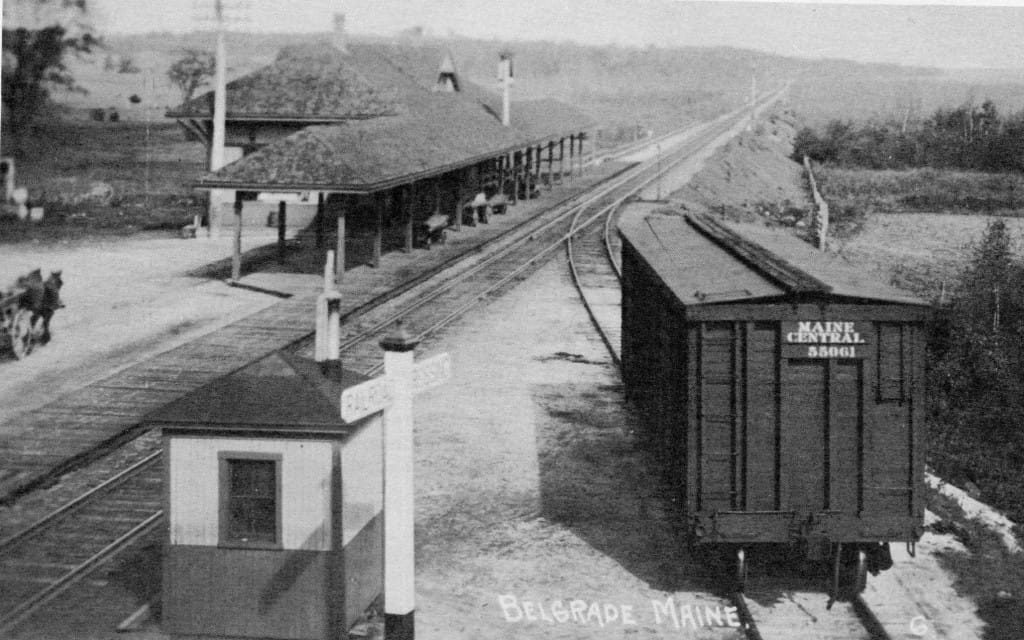
The Maine Central Railroad first came to Belgrade in 1849, allowing farmers to ship their products to market and making Belgrade’s lakes a tourist destination.
Belgrade residents became increasingly prosperous during the 19th century. There were several gristmills in town to grind the corn, wheat, and other grains raised by local farmers, and extensive logging made for a number of sawmills in operation. When staple crops such as corn, potatoes and apples could be shipped to faraway markets by rail, farmers received cash for their produce. Maine apples were always in demand, many being shipped to other states and to Europe, where Maine apples brought the highest price of any in the United States.

Large numbers of barrels and boxes were required to ship Belgrade’s apples, potatoes and corn to market. William Withers operated a mill near the dam in North Belgrade that produced barrels for farmers.
The Granges
Nothing brought Belgrade people together more than their chapters of the Patrons of Husbandry, commonly called the Grange. The Belgrade Grange at the depot was originally organized in 1887. It was a center for social interaction, yet its primary mission was to support agriculture in the town, supporting farmers through fairs and gatherings. These community organizations embodied the town’s agrarian spirit.
A second Grange was organized in 1906, when the Salmon Lake Grange in North Belgrade was chartered. Over the years, Salmon Lake Grange sponsored several fairs which included horse pulling, while the Belgrade Grange at the Depot and the Ladies Aid had indoor fairs with a supper. The Salmon Lake Grange Hall fell into disrepair and burned, and sadly we have no extant photograph of the building.
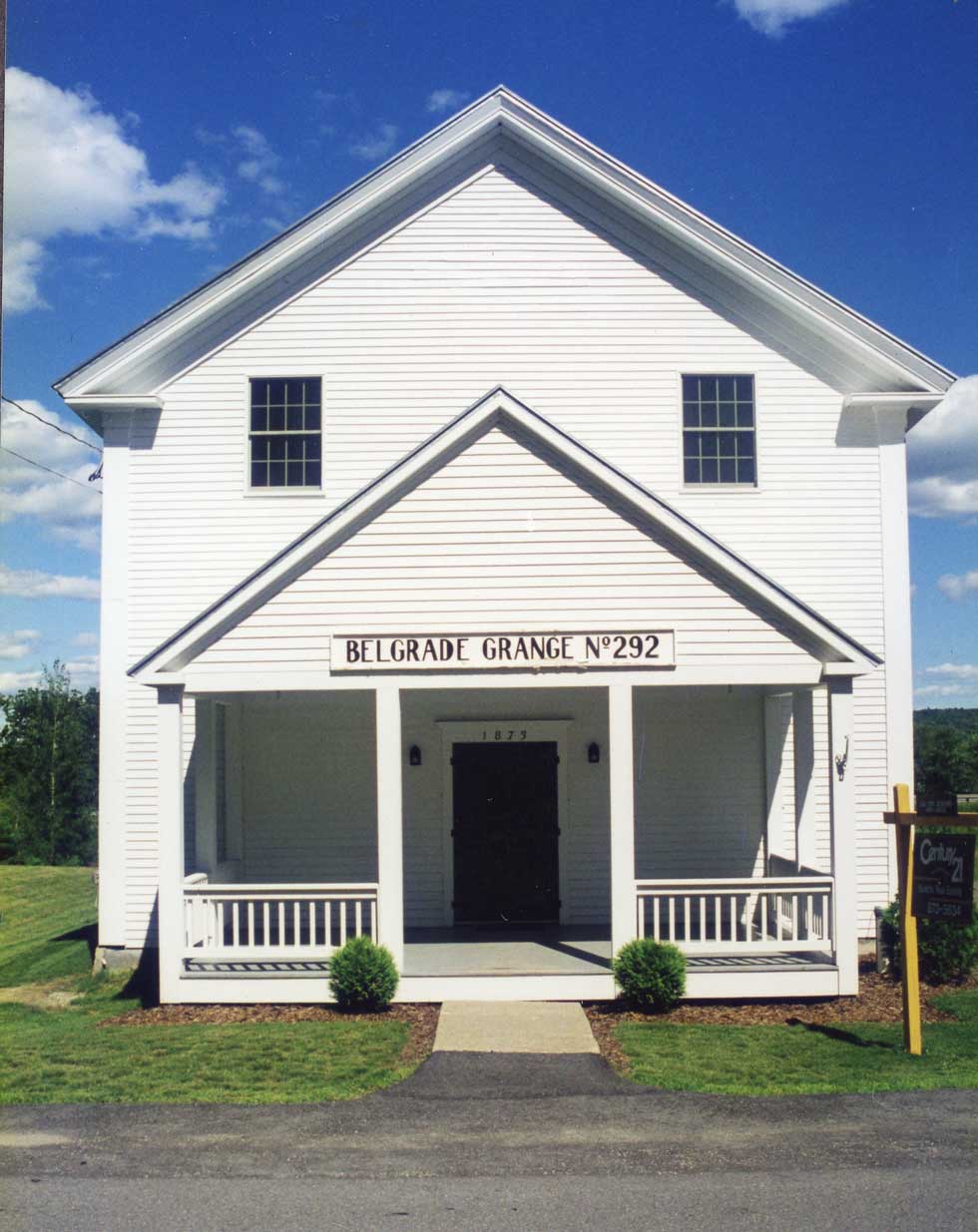
The Belgrade Grange Hall in the Depot was used for many community events.
Industrial Development
The history of manufacturing in Belgrade reflects its transition from a primarily agrarian society to one that embraced small-scale industry. The town’s forests and waterways played a crucial role, supplying materials and power sources for early industries.
During the 19th century, sawmills and lumber operations flourished, relying on waterpower from local streams and lakes to process timber into lumber and shingles. Other cottage industries emerged, including artisan workshops producing textiles, tools, and agricultural implements. Families often combined farming with craftsmanship to sustain their livelihood.
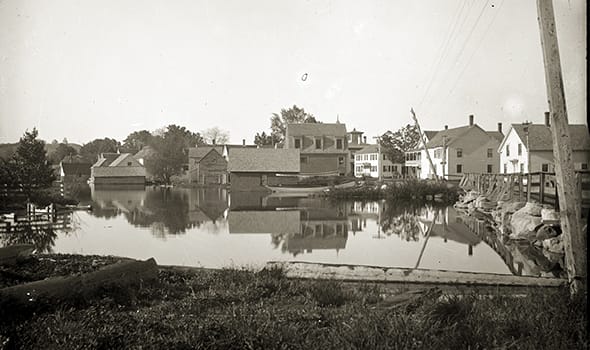
At one time Belgrade Lakes was known as Belgrade Mills and Chandler’s Mills.
In 1888, Belgrade’s industrial activity included Henry W. Golder’s spool factory, employing 18 men, as well as Everett Cummings’ rake handle factory, Henry Morrill’s grist mill, and the Soule and Austin excelsior mill. The abundance of waterpower in Belgrade Lakes led the area to be known as Belgrade Mills or Chandler’s Mills. A store owned by Henry W and Thomas S Golder was reportedly the largest store in Kennebec County. One could purchase a wide range of items from a fine-tooth comb to a bag of meal.
However, advances in transportation and industrialization in urban centers led to the decline of local manufacturing by the late 19th and early 20th centuries. The town’s economy subsequently shifted toward agriculture, tourism, and recreational services centered around the Belgrade Lakes.
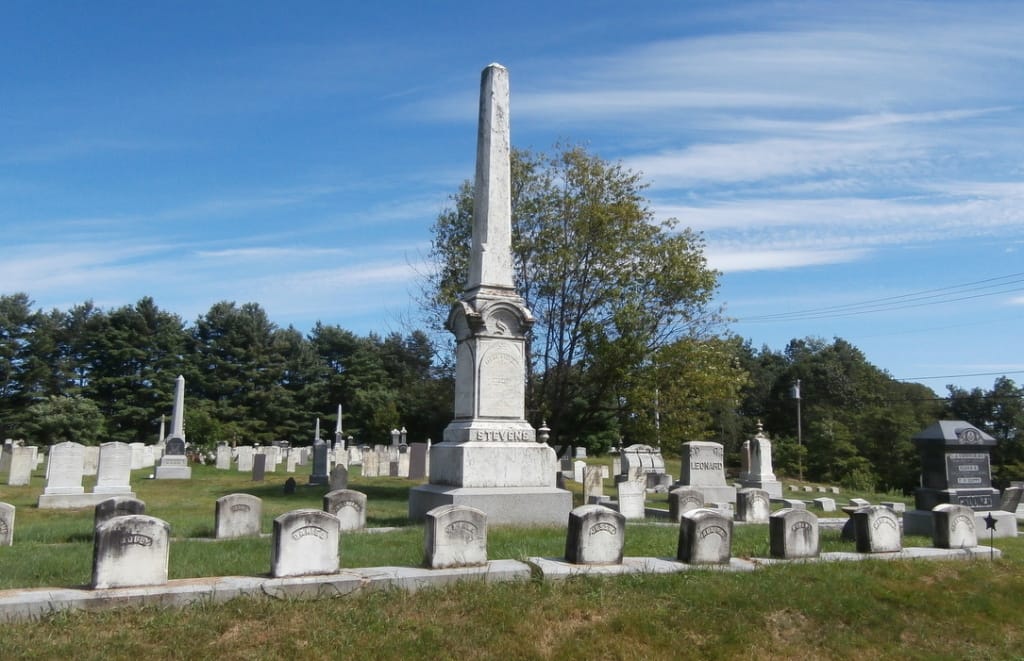
Pine Grove Cemetery
Belgrade cemeteries
The earliest burial in Belgrade was in Pine Grove Cemetery, on the south side of Route 135, in 1803. Across the road, near the intersection with Route 27, is Woodside Cemetery, where the first recorded burial occurred in 1812. The next year, second-settler Joel Richardson was also buried there. The two other Belgrade cemeteries are the Quaker burying Ground, just to the east of Pine Grove Cemetery, and Ellis Pond Cemetery, just off the west shore of Salmon Lake. Peaseley Morrill, the father of Belgrade’s two governors, was buried there in 1855.
Tourism in Belgrade
Following the Civil War, the railroad emerged as an essential asset to the town of Belgrade for decades, serving not only as a means for transporting agricultural goods but also supporting broader economic and community growth including tourism.
The emergence of an affluent upper-middle class was eager to escape the noise and pollution in American cities by getting back to nature, and many of these “rusticators” found the Belgrade lakes a welcoming summertime destination. Charles Hill, the proprietor of the Belgrade Hotel succeeded in lobbying to change the name of the village to Belgrade Lakes, to appeal to tourists. Fishermen led the charge, but in 1900 the Belgrade Hotel was built to entice visitors to vacation in elegance by the clear water of Long Lake. The hotel complemented the many inns and more rustic lodgings around the lakes.
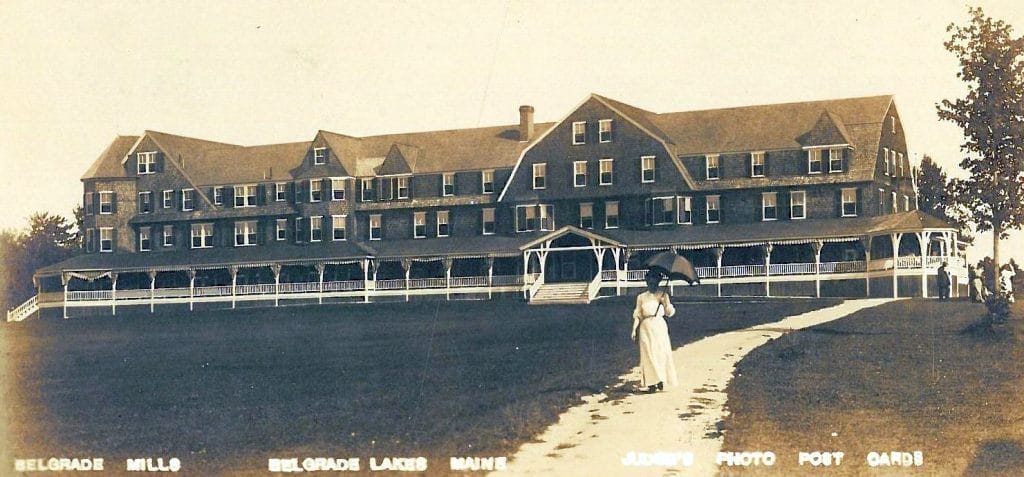
The Belgrade Hotel, built in 1900, was the jewel in the crown of the Belgrade lodging establishments.
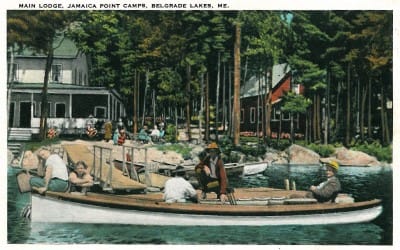
At the same time, the number of new cottages and summer youth camps in Belgrade was exploding. Many more Americans owned automobiles, which brought hordes of tourists to the lakes. Over one hundred businesses eventually joined the list of accommodations in the decades prior to World War II. Only the Village Inn, originally the Locust House, currently remains of the former hotels/inns. The truck farms that sustained the original hotels and camps with a central dining room are also long gone.
Camp Merryweather, located on Great Pond in North Belgrade, was founded in 1900 by Henry “Skipper” Richards and his wife, Laura Richards, making it the third oldest boys’ camp in the nation. Mrs. Richards was the daughter of the composer of The Battle Hymn of the Republic, Julia Ward Howe. Among the boys who attended the camp were the sons of President Theodore Roosevelt, Admiral Hinds, the poet Conrad Aiken, and Laurence Rockefeller. Camp Merryweather continued in operation until 1937 and is now a private residence of the founding family.
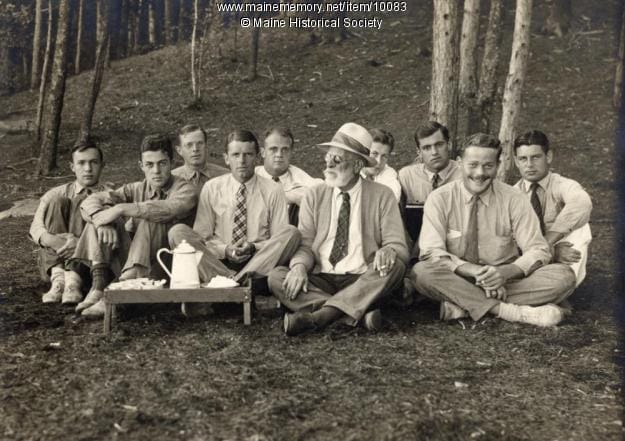
Henry Richards and his camp counselors taking tea at Camp Merryweather.
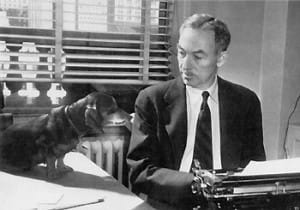

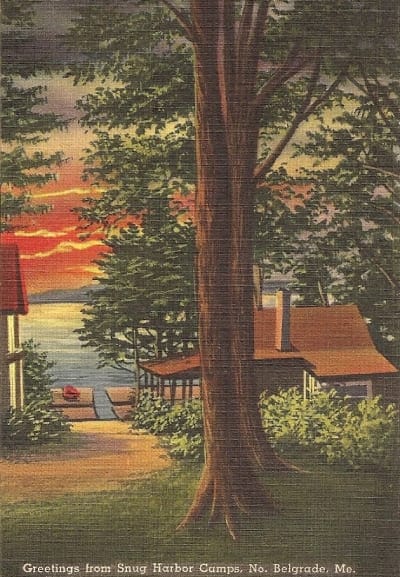

The noted author, E.B. White, came to Snug Harbor Camps on Great Pond with his family in 1905 for a stay he described later in his life as, “four solid weeks of heaven.” His essay, “Once More to the Lake“, first published in Harper’s Magazine in 1941 chronicles his pilgrimage back to Snug Harbor with his son. A quote from the essay is featured on a memorial bench located on the Village Green near the gazebo.
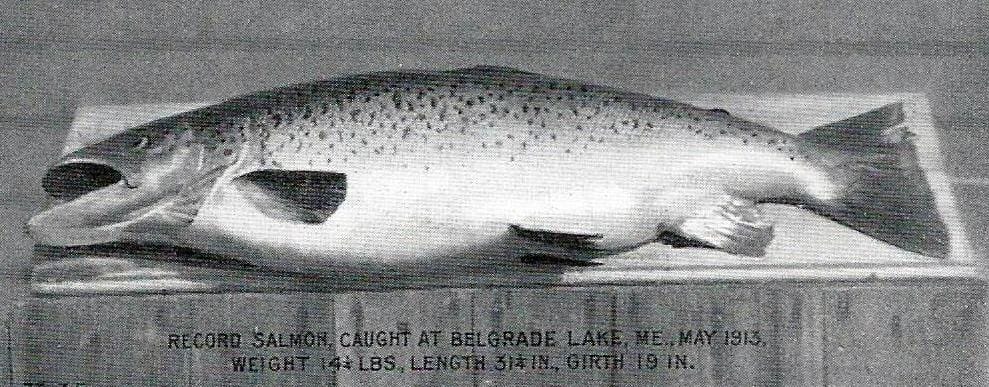
Record Salmon caught May 1913 – 14 1/4 pounds
A prize winning salmon
Waterville Morning Sentinel – December 18, 1913:
“Belgrade has the honor of producing the largest land-locked salmon in the United States during the past year. In May last, Rev. Edwin A. White caught the fish, which weighed 14 pounds and four ounces. The salmon, now mounted, adorns Mr. White’s library.”
Based on records of the Maine Dept. of Inland Fisheries & Wildlife, salmon were first introduced into the Belgrade Lakes in 1878. Perhaps this is when the name Ellis Pond, which had formerly been Richardson’s Pond, was changed to Salmon Lake.
A tradition that has been enjoyed by camp owners on Great Pond for many years is the U.S. Mail boat, which has been delivering mail to residents on the lake for over a century. An article from the Waterville Morning Sentinel of April 11, 1905, tells us when: “The official announcement has been made that the government will establish a summer mail route on the Belgrade Lakes.” The mail boat was featured in the 1979 play, On Golden Pond, written by local resident Ernest Thompson. It was later made into the 1981 Academy Award winning movie by the same name starring Katherine Hepburn, Henry Fonda and his daughter Jane.
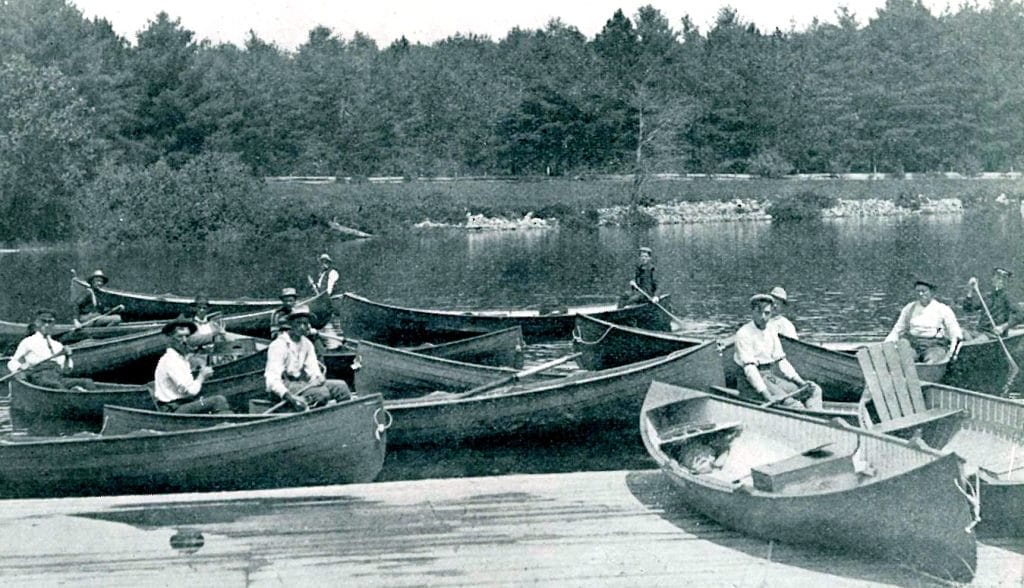
Guides in Belgrade Lakes, waiting to take their “anglers” out to “wet a line.”

1981 On Golden Pond movie poster
Hundreds of private cottages now crowd the shores of the lakes in Belgrade. A few childrens’ summer camps remain active including Runoia and Pine Island, yet many others have been subdivided. The “Golden Age of Tourism” may have ended, but thousands continue to flock to the lakes in Belgrade every summer, keeping the heritage alive and well.
Legacy and Modern Belgrade
Belgrade’s identity now lies in its community-focused values, historical preservation efforts, and its natural beauty, which continues to attract tourism and recreation centered around the beloved Belgrade Lakes region.
Everyone associated with Belgrade and its lakes should be proud of our rich history, one the Belgrade Historical Society strives to preserve for future generations.
*These website images are allowed for noncommercial reuse with acknowledgment.